
Sabbath: Prophetic Authority and Relevance

Daily Lesson for Sabbath 28th of November 2026
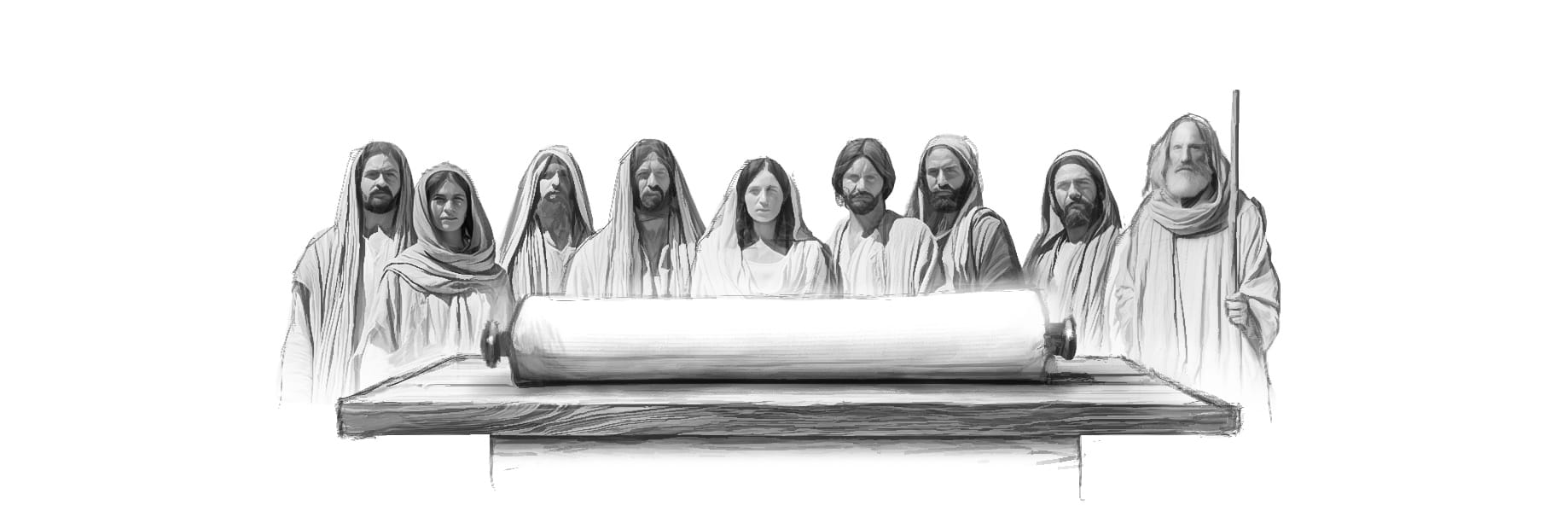
Image © Pacific Press
Read for This Week’s Study
Exodus 4:10-16, Luke 8:22-25, John 3:1-10, Acts 16:25-34, 1 Corinthians 5:1-5, Luke 7:28.
Memory Text:
“For the word of God is living and powerful, and sharper than any two-edged sword, piercing even to the division of soul and spirit, and of joints and marrow, and is a discerner of the thoughts and intents of the heart” (Hebrews 4:12, NKJV).
On November 9, 1989, Günter Schabowski’s statement on live TV in Communist East Germany set in motion the fall of the Berlin Wall. Speaking as East Germany’s press spokesperson, Schabowski botched a statement during the televised press conference. Instead of announcing that East Germans may be allowed to visit Western Europe after the lengthy and difficult process of obtaining the proper visas, he simply said that East Germans would be permitted to visit Western Europe. When a reporter asked when the policy change would take effect, Schabowski said, “As far as I know, this enters into force . . . immediately, without delay.” Within minutes people began pouring toward border checkpoints, demanding to be let through, as the government had announced.
People have often been delegated authority to speak for a company or even a country. But what about those who speak for God? This week we will examine what authority biblical prophets possess, and what, if any, authority is held by prophets who never wrote a book of the Bible, such as Nathan the prophet, John the Baptist, and, yes, even Ellen G. White.

Comments
Sabbath: Prophetic Authority and Relevance — No Comments
Please make sure you have provided a full name in the "Name" field and a working email address we can use to contact you, if necessary. (Your email address will not be published.)
HTML tags allowed in your comment: <a href="" title=""> <abbr title=""> <acronym title=""> <b> <blockquote cite=""> <cite> <code> <del datetime=""> <em> <i> <q cite=""> <s> <strike> <strong>