
11: Living in the Land — Teaching Plan

Key Thought. With the land conquered, Israel started to unite in their identity. The tribes that had their land on the other side of the Jordan were allowed to go back to their land and built an altar to remember their commitment to one another..
December 13, 2025
1. Have a volunteer read Joshua 22:5-20.
- Ask class members to share a short thought on what the most important point is in this passage.
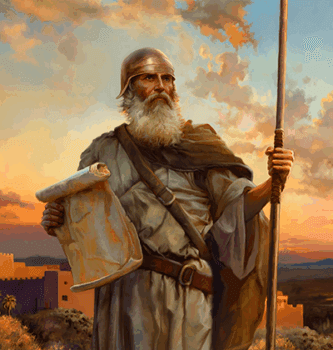
- What do these verses tell us about the commitment of the Reubenites, Gadites, and half tribe of Manasseh?
- Personal Application: How would our relationships in the church be transformed if we prayed for each other more than we do? Share your thoughts.
- Case Study: One of your relatives states, “Wasn’t building an altar of remembrance a type of idolatry? Doesn’t the commandment tell us not to make statues, images, and stuff like that? Why can paintings or statues of Jesus or other humans be dangerous?” How would you respond to your relative?
2. Have a volunteer read Joshua 22:13-15.
- Ask class members to share a thought on what the most important point in this text is.
- Why do the Israelites choose Phineas as the head of the delegation to the 2 ½ tribes?
- Personal Application: How do we keep out past negative experiences from causing us to mistreat or shun positive experiences with others in the present? Share your thoughts.
- Case Study: One of your friends states, “I think many people have had bad experiences in their lives and it affects how they react or overreact to similar situations today? Most people jump to conclusions instead of having the grace and foresight to patiently listen to others before jumping to conclusions. We have one mouth which the Bible says is full of deadly poison, and two ears to listen with. We should listen more before we speak..” How would you respond to your friend?
3. Have a volunteer read Joshua 22:21-29, Proverbs 15:1.
- Ask class members to share a short thought on what the most important point in this text is.
- What can we learn from the response of the eastern tribes?
- Personal Application: How do you handle false accusations? Think of some principles that should guide your attitude in these situations. Share your thoughts.
- Case Study: One of your neighbors states, “When I am accused of something, I just consider the source. I’m a much better person than those who might be jealous or hateful. I don’t even need to acknowledge such nonsense. I just ignore them.” How would you respond to your neighbor?
4. Have a volunteer read Joshua 22:30-34.
- Ask class members to share a thought on what the most important point in this text is.
- How does this incident give us insight into conflict resolution and ways of helping keep unity in the church?
- Personal Application: Why is it important to listen to the opinions of others rather than just try to ramrod your opinion through without “wasting time” in debate? Share your thoughts.
- Case Study: Think of one person who needs to hear a message from this week’s lesson. Tell the class what you plan to do this week to share with them.
(“Truth that is not lived, that is not imparted, loses its life-giving power, its healing virtue. Its blessings can be retained only as it is shared.” Ministry of Healing, p. 148).
