
Monday: The Posture of Prayer

Daily Lesson for Monday 4th of May 2026
When something goes wrong in our lives, most of us call a close friend to talk about it. When we have good news, we find someone to share it with. We can do the same with God. “Prayer is the opening of the heart to God as to a friend.”—Ellen G. White, Steps to Christ, p. 93.
Prayer not only keeps us connected to God but tells the devil whose we are. When we kneel to pray in the morning, it’s like a physical declaration to the powers of darkness that we choose God this day. Not only that, but God sends angels to our side when we pray, and we are fortified and covered from the enemy of darkness (Psalms 91:1-16).
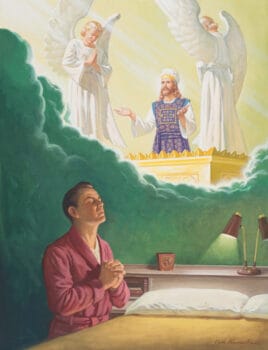
Image © Review & Herald Publishing at Goodsalt.com
The physical act of kneeling in submission shows a humble posture. It’s somehow different from sitting in a chair or lying in a bed while we pray, although we can pray in these positions too. However, when we kneel before God, we show that we are ready to serve God with all our hearts, and our words declare that He is sovereign and that we are merely His created children.
Read the following Bible passages and consider the lives of these individuals who knelt when they prayed: Daniel 6:10, Luke 22:41, Acts 7:60, Acts 9:40, Acts 20:36.
Standing in prayer was a common practice in Bible times (2 Chronicles 20:5-6,13; 1 Samuel 1:26; Job 30:20; Luke 18:11,13). The Bible also shares examples of people who sat when they prayed (2 Samuel 7:18). Others prostrated themselves before God, with their face on the earth—although this posture was less commonly associated with prayer, but rather submission before a superior (1 Kings 1:47, Mark 14:35).
What is your usual posture when you pray? The Bible doesn’t require us to pray in any particular posture, but postures are important, as they reflect our reverence, our inner feelings, and our desire to surrender to God. Some people are unable to kneel; so, ultimately, it’s the heart condition that matters most. If you can kneel but usually don’t, why not try kneeling next time you pray and see how it affects your time with God?
|
The Bible invites us to “pray without ceasing” (1 Thessalonians 5:17), implying constancy (Colossians 4:2) and perseverance (Romans 12:12). Today, as you stand, sit, lie, or walk, turn your thoughts to God and talk to Him as your Friend. Begin right now. |

I am rather thankful that physical posture is not a prerequisite for prayer. Kneeling is not a problem for me, but getting back up again requires some rather ungainly movements that quite frankly would be a distraction if I was to do it in Church. Fortunately, most of the time we stand for prayer now and I can manage that easily.
Attitude of mind is probably much more important, and while the intent of the lesson is to highlight the importance of humility and submission, worship and praise, we should also remember God is a good listener. I believe that God listens even when we are angry and shake our fists at him.
I remember times when my kids were angry with me and yelled and slammed doors. (OK my kids were not perfect, and I was a parent wearing L-plates). Usually, it was best to let the anger play out rather than trying to argue with them. The next day, when peace was restored was a good time to mend the fences, and remind them they are still loved.
I don’t think of prayer in terms of a lot of flowery language expressing humility and submission. You can get artificial intelligence to make that stuff up. It is Ok to be angry with God and shout and shake your fist at him. God wants to communicate with real people who have emotions and think and feel. In our prayer life we should be honest with God because in doing so we can learn to be honest with ourselves. God understands. And it helps if our community of believers understands too. God is patient and longsuffering with us, and we as coworkers with God need to show those qualities with one another.
Here are some prayers by Bible characters that we all know well. They are angry with God and let him know it:
Do we let God see the real us, or do you think he is only satisfied with a sanitized compliant, church-approved posture?
Thank you for helping us to “keep it real” on the topic of prayer.
If prayer is a matter of constant communion with God, then it will include expressions of our negative feelings as well as our praise and thanks. God is big enough to “take it.” Folks who don’t have a prayer relationship with God pay a lot of money to professionals who listen to them vent, and they feel better after doing so.
But God does much more than listen. He quietly reminds us that He still cares, and He has our backs, even when things look dark. And He “restores our soul.”
I remember so clearly the first time when I was myself during prayer. I knew that something in my talking to God had changed. Hallelujah!
Thank you for your personal testimony Jeanie. Somebody knows what you are talking about.
Thank you Maurice for the parenting analogy. As a parent of two teenagers, I relate to that
The Bible provide numerous postures while praying, but it strongly states that the inward posture of the heart is primary, without which outward actions have no meaning. When the heart position is right with God, the outward posture will agree with the convictions of the heart. God is most interested in the supplication of the heart. External devotion without the submission of the heart is an empty ritual. God sees the heart (1 Samuel 16:7). Correct physical posture will not substitute for the state of the heart.
“When you lift up your hands in prayer, I will not look. Though you offer many prayers, I will not listen, for your hands are covered with the blood of innocent victims.” (Isaiah 1:15, NLT).
The Bible does not dismiss the physical posture in prayer, but places greater emphasis on the attitude of the heart. “A broken and contrite heart… you will not despise.”(Psalms 51:17). Physical posture is secondary; the motive of the heart is fundamental. The heart and the physical posture need to be spiritually in agreement. The right posture without the right heart is an empty ritual.
“What good is fasting when you keep on fighting and quarrelling? This kind of fasting will never get you anywhere with me. You humble yourselves by going through the motions of penance, bowing your heads like reeds bending in the wind. You dress in burlap and cover yourselves with ashes. Is this what you call fasting? Do you really think this will please the Lord? (Isaiah 58:4-5, NLT).
Do you want to change the formula of salvation?
The inside man coralates with outward posture
Scripture teaches that “the effective, fervent prayer of a righteous person avails much” (Epistle of James 5:16). Prayer is an intimate conversation between a believer and God. It is not only about the words spoken but also the posture of the heart and body. Different physical postures in prayer reflect attitudes of reverence, humility, and faith. These postures can help align our hearts with God’s will and express our devotion and submission before Him.
Prayer goes beyond outward posture; it involves shaping our attitudes and focusing our full attention on God. Practices such as folding our hands or closing our eyes can help minimize distractions, but true prayer is a complete surrender: mentally, emotionally, spiritually, and physically in other words being alert and attentive to God. As the bible reminds us, “God is Spirit, and those who worship Him must worship in spirit and truth” (Gospel of John 4:24).
Whatever posture we adopt, God desires that we come to Him with sincere hearts, in humility and reverence. Prayer is a personal engagement with God, not a performance for others. Therefore, we should not judge others based on how they pray. Instead, we are called to grow in our own relationship with God and to influence others through love and example, remembering that true prayer flows from the heart and is focused entirely on Him.
I am encouraged by the possibilities of prayer. With prayer, we are able to be covered and shielded from
the evil plans of the enemy against us. Prayer and Bible keep our hope,faith, and trust in God alive. God please help us pray more.
Cultulturaly,here like in Africa,even heads of states kneel before kings as a sign of respect.The writer is calling us not to abandon our adopted postures in prayer but just to try a kneeling posture and then share our experiences. Otherwise,it’s a true saying
That When the heart is right with god, the posture will automatically be right.
When the heart is right with god, the posture will automatically be right.Definitely
It looks like whatever posture of prayer we are in. God is there to listen and talk with us. Psalm 139:7-10. The posture of the mind is the most important. And a kneeling posture with heads bowing and eyes closed, does help our minds to be in a humble state. Yes, kneeling may not be possible. Yet our mind is kneeling, by coming to God, feeling helpless, as we really are, having faith and trust in God that He bends over us in love and compassion, as we tune out the world, for our prayer and meditation on Him.
Prayer, In Monday lesson it help me to understand what is prayer is all about and what posture I need to do when I pray. I realize that when I’m along in the morning at my desk that’s when I can talk to my Father in Heaven. He listens to me and I know his present is here. The bible teach us how to pray and how others people in the bible pray, for instant, Hannah stood while she prayed for God to give her a child(1Sam 1:26) and Jesus prayed while standing before the tomb of Lazarus just before raising him from the dead(John 11:41).there are other who pray to the Father in other ways. But for me I kneel,stand,even layinng in my bed. I know that the Lord hears my pray. We have to be true to the Father,The Son and The HolySpirit in order to have a meanful pray life.
I agree with these comments. Attitude in prayer is everything! I have heard it said that we can be kneeling on our knees, but still standing in our hearts. The important thing is to humble our hearts in prayer and not just our physical body.
I really enjoyed this post—it’s a simple but meaningful reflection on how the way we come before God in prayer matters just as much as the words we say. I like how it emphasizes humility, sincerity, and the heart behind prayer, reminding readers that true connection with God is about posture inwardly, not just outwardly.
I know there are some people in the church who hold that kneeling is the preferred way of praying. I definitely don’t have a problem with kneeling – I appreciate doing it at church and I do normally kneel for my morning and evening prayer. I think there are benefits in doing so.
But… I don’t normally kneel for my main devotional time and I don’t plan to start, regardless of any attempts to convince me that kneeling is a better “posture”. I have two reasons for this. Even if you’re able bodied, kneeling is uncomfortable, especially if you have nothing to lean on. I think comfort usually means longer prayers. Also, I keep a binder with lists of people I pray for and their circumstances which means I need to look at it while I’m praying.
In the end, it’s fine to look up verses about people kneeling to pray, but I think it’s not the best idea to make judgments about what that would mean. Yes, Jesus knelt when He prayed in the garden, but most of the references to Him praying say nothing about His posture. I don’t feel that the Bible ever identifies a preferred posture and we should hesitate about making such declarations.
What is the most important thing while talking to a friend: the sincerity and honesty of heart or the clothing or posture we assume?
It’s definitely the sincerity and honesty of heart that is most important, but the body language will reflect the state of the heart. Imagine talking to the friend you love with your back turned towards them, it’s not nice, is it?
What posture in prayer do you think equates to turning your back toward them?
Friends actually talk to each other in many different ways. We can talk as we walk, as we sit across the table from each other, as we drive in a car, on the phone. And yes, sometimes we do talk with our backs to each other when we’re working on something at the same time. I think prayer is the same.
Mmmh the comments I got from this week, people are running away from kneeling down in prayer. The excuse being given is that you can be kneeling, but standing in your heart. This is wrong brothers and sisters
I did not get that message at all. If you feel it is important to kneel please do. I don’t think anyone will condemn you for doing that. If you are kneeling and condemning those who are in some other position, it is quite possible you are looking in the wrong place.
IT’S very important to bow when praying.
Note:God answers all prayers with no specified praying posture.