
Tuesday: God Is Love

Daily Lesson for Tuesday 7th of April 2026
Love is perhaps the most common word used by Christians to describe God’s character. This could be because of the identity statement about God in 1 John 4:8, which says, “God is love.” John doesn’t say, “God is loving,” but rather, “God is love.” Love is His character, the very essence of who He is.
For many people, their picture of God emerges from their human definition of love, which is always distorted and imperfect. Instead, our very definition of love should be shaped by who God is and what He reveals about Himself in His inspired Word.
What does 1 John 4:7-19 explain to us about love?
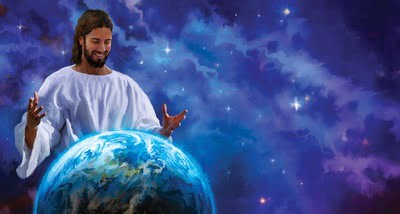
Image © Jim Howard at Goodsalt.com
God’s love is perfect, free, and deeply relational, as revealed in the repeated invitation to “abide” in Him in 1 John, because “we have known and believed the love that God has for us. God is love, and he who abides in love abides in God, and God in him” (1 John 4:16, NKJV). God is love, and He created us in His image (Genesis 1:27) to love and to desire love. In Hebrew, one major word for love is ḥ__esed. This describes God’s covenant love for humanity, which encompasses traits of loyalty, protectiveness, steadfastness, and tenderness.
The ancient languages of Hebrew and Greek use many different names to refer to God, names whose meanings capture and shed light on different aspects of God’s beautiful character. Here are just two examples:
• Adonai: The Lord of all, who reigns forever, in reference to the covenant (Genesis 15:2, Judges 6:15, Malachi 1:6, Psalms 97:5).
• Yahweh-Yireh: The-Lord-Will-Provide (Genesis 22:13-14, NKJV).
Ultimately, the greatest expression of God’s love is revealed through the gift of His Son to this earth (John 3:16) who died for sinners (Romans 5:8). God could have withheld this from humanity, yet because of His magnanimous, radical, supremely altruistic love, God sent Jesus to earth so that we might freely choose to respond to His love, revealed in His substitutionary death on our behalf. Not only did Jesus bridge the separation that sin has brought between us and God (Isaiah 59:1-2), He lived to show us God’s perfect character of love (John 14:9, Hebrews 1:3) and to draw all people to Himself (John 12:32).
|
Many of God’s names capture His holiness and love at their core. Read 1 Corinthians 13:4-8 _(NKJV)_, and in every case, replace the word “love” with “God.” How does this expand your understanding of God’s character? If you were to place your name where it says “love,” how well would that fit you? |

We have two children, (middle-aged adults now) with very different personalities. One was an introvert, while the other was an extrovert. We love both children equally but differently. Because of these differences it was sometimes difficult to appear fair and equitable. And to be honest we were not perfect parents either. One child was always getting into trouble because they would not come home at the time they promised they would; the other child never got into trouble about coming home at the wrong time because they never went out.
I remember this when we start talking about God’s love. God is dealing with people with different personalities and temperaments. I really like reading the Gospels focussed on the disciples. They were very different to one another. Peter gets the most mentions, but he was probably the most erratic too. Today we might say he was on the spectrum. John and James come in for quite a few mentions too. They were schemers and wanted to get to the top. Judas gets a fair bit of column space for all the wrong reasons. Thomas, is noted for his doubt. But after that the mentions for the others are just in the list of those who were called.
The interesting part of the story is how Jesus treated those who are mentioned most often (I include Judas Iscariot in this group). Sometimes he was gentle, sometimes rebuking, at other challenging, but always loving. These men walked with Jesus for about 3 years. That is about as long as it takes to get an undergraduate degree in the academic world. The disciples’ graduation was not a grand commencement ceremony but rather a shattering demonstration of unselfish love by their master teacher. They thought they had failed and those who were fishermen went back to their old careers. They thought this Kingdom of Heaven thing was finished. But Jesus sought them out! It took another encounter with Jesus’ love to light the fire and set these men on their new careers of spreading the Gospel.
In computer science, a persistent system is one that when it fails in comes back up again in a consistent state. Jesus’ relationship with his disciples was spiritually persistent. When they failed, his presence restored them to a spiritually consistent state. That is what love does. How do we apply God’s persistent love to our relationships with others?
It is something to reflect on that God created the universe by the spoken Word, but when it came to mankind, He had to use His hands. God might have taken some time to design us, and no wonder the Bible declares that we are fearfully and wonderfully made (Psalm 139:14). God was not only so close to mankind at creation but has been close to mankind ever since. It’s amazing to see how the Bible uses several names and titles for God that reflect God’s relationship with mankind. God’s names and titles are a demonstration of how God reveals Himself to us. Since creation, God has been making every effort to establish a relationship with mankind. Let us make a brief show of God’s names and titles and what they mean to us.
1. Yahweh – God is eternal and self-existent. He is the personal covenant, God. The Great God who created the great universe comes to my/your personal space to know us individually. God has time for each one of us.
2. Elohim – God is the Creator. Our existence is not by random chance, but a creation of a powerful and all-wise God.
3. El Shaddai – God Almighty. All-powerful, able to provide and sustain. God can keep His promises, and He is able to bless.
4. Adonai – “God is the Lord / Master. God has authority over all His creation, including us. God is the Lord of our lives.
5. Yahweh Jireh – God is the provider. For instance, God provided a sacrifice for Abraham and Isaac. God will provide all our needs. In fact, He provides in advance. Whatever opportunities and blessings we have, God provided before we were born. God controls the future.
6. Yahweh Rapha – God who heals. God is the one who brings healing, both physical and spiritual.
7. Yahweh Nissi – God is my banner. God is my/your/our protector. God is the One who gives victory in all aspects of our lives. God works behind the scenes in whatever victory we have gained
8. Yahweh Shalom – Lord is peace. It is no wonder that Jesus is the Prince of peace (Isaiah 9:6). Our inner peace is only possible by knowing Jesus. There will be no peace on earth until He brings His kingdom of peace.
9. Yahweh Rohi (Psalm 23) – The Lord is my shepherd. God is our guide, carer and provider. If we surrender our lives to Lord Jesus, all will be well with our souls.
10. Abba – Father. God is our Father who is in heaven. He is a good Father.
11. Alpha and Omega – The beginning and the end. God is eternal. God is sovereign
The point of emphasis is that God is not distant or abstract, but He comes to our personal spaces and reveals Himself. He wants an intimate relationship with us.
Why does God have different names?”
Because of God’s greatness, as human’s, it’s impossible to describe Him by one name. The many names helps us to begin to understand the many aspects of who He is and we will be learning who He is for eternity.
God has many names because one name can’t fully describe Him. Each name shows a different part of who He is and how He cares for us. For example, he’s our creator, provider, and shepherd. It’s a reminder that , He is with us in every situation. I hope this helps.
God is referred (called) different names by different people depending on their experiences with Him. Different people have experienced God in diverse ways and hence they came up with a name that reflect their inner feelings and as sense of gratitude. For instance, Abraham called God Jehovah Jireh after experiencing God’s provision (Genesis 22). Also, God is given different names depending on people’s language and culture. For instance, God is called Elohim in Hebrew. This makes sense because one name could not portray the nature of God to all peoples in their circumstances. God is so infinite that one name is not able to encompass all His attributes. Different name helps to explain the multi-dimensional nature of God.
In my native Tonga language, one of the names of God is ‘Mutala-bala’.
To be honest I don’t know the exact meaning but I assume it means Great God.
Our elderly men would call God strange different names in salutation during prayers.
He is Jehovah, Our Mighty God!
I would say that God has different names because one name isn’t enough to completely describe His everlasting love which with His lovingkindness He has (or longs to) draw each and every one of us to Him.
He creates!
He forgives!
He knows our thoughts.
He wants us to be like Him in character.
He knows that without Him, we can do nothing.
He provides for us.
He reveals Himself in His Word.
He knows the future and wants us to be preparing ourselves and others if possible,so that where He is, we can be also.
He knows sorrow.
I’m sure that these are only a few of the infinite number of ways that describe Him.
Jesus said “I and My Father are One”. He wants us to have that personal, up close relationship also!
Here is something to reflect on: Why do we in the English language use “God”, a generic name for deities, rather than a special name? I have a couple of ideas in the back of my mind on this question but I would like to hear what others think! (that is what you think and not what AI generates!)
Maurice, it does seem odd when you consider it. It’s like calling my wife, “wife” instead of by her name. I had a brother-in-law that did that with my sister, called her, “wife.” He was kind of a barbarian though. We have a friend that always refers to God as Yahweh, and never by “God.” He says that God is his title, not his name. Yet we often refer to him, even in prayer, as “Dear God.” I never really gave it much thought. Maybe I should.
I can reflect. We have a 1st name and a surname. God is the Trinity’s surname. That’s as far as I can dare go. Though last week I understand it was said, that God the Father gets pleasure in hearing us refer to Him as Our Father.
I like the “Our Father” too but I know that does not work for everyone. I am very conscious of those who have had abusive fathers and their difficulty with that name. Fortunately, the Bible gives us many alternative names so we can choose one that works for us.
My guess is because it emphasizes to us that there is only one God. Other “gods” aren’t worth thinking about. But maybe it isn’t the best way. Some food for thought.
God is love is one of the most important characters of God to understand. Ask and God will give you understanding through the Holy Spirit. God gives assurance that He loves us. It is by believing His word with faith given us as a gift that we know God loves us come what may. God loves us because he is our God and we are His sons and daughters. We love God because He first loved us. 1 John 4:19, 16-19.
To know and understand God’s love is crucial. God’s love is vastly different from human love because of sin. So, it is my prayer that God will open my heart to understand and accept His love.
I think we sometimes make a mistake when we place God’s love and His holiness in tension, as if emphasizing one somehow weakens the other. In reality, they work together beautifully.
God’s holiness does not make Him less loving, and His love does not make Him less holy. His holiness shows that sin truly matters because it destroys what He loves. His love shows that, rather than leaving us in that condition, He acts to save and restore us.
The cross is perhaps the clearest example of this harmony. There we see that God’s holiness does not overlook sin, yet His love does not abandon sinners. Both are fully revealed in Christ’s sacrifice.
The two are never in conflict in God’s character; they are perfectly united.
God is Spirit and His Spirit is defined by Love – John 4:24. One could say that all things pertaining to Creation are founded by/through Love because it is the essence of His nature. Why is it that we can worship God only in Spirit and in Truth? Is it not because His Spirit is within, guiding all life that draws breath? Gen.2:7
Worshiping Him in Spirit and in Truth reflects the type/form of fellowship He seeks with us. His Spirit addresses Justice, Mercy, and Grace for all who follow His call and engage in fellowship with Him. When we are willing, the Spirit’s power is ready to transform all aspects of our humanness and form us anew in His Image of Holiness.
2Cor.3:17-18 –”Now the Lord is the Spirit, and where the Spirit of the Lord is, there is liberty. But we all, with unveiled face, behold as in a mirror the Glory of the Lord, are being transformed into the same Image from Glory to Glory, just as from the Lord, the Spirit.”
He says: “I Am Who I Am” – We would never want to be separated again from His Spirit as He is our true lifeline! He teaches us all things pertaining to our new life in Jesus Christ. We observe Him lifting the darkness which covered our spiritual sight as He replaces it with His heavenly Light – Praise God for He is Love!
Among all the studies from this week’s lesson, “Knowing God,” this is without a doubt the one that most defines Him for humanity: love. Not an imperfect love, but the true meaning of something that goes far beyond man’s finite mind. In 1 John 4:7-21, the beloved apostle, inspired by the Holy Spirit, instructs us: “Let us love one another.” He rebukes us: “Whoever does not love does not know God.” He comforts us: “This is how God’s love was revealed among us: God sent His one and only Son into the world, so that we might live through Him.”
God knows that sin corrupts humanity’s love; by their own strength, human beings can’t even love their own spouse and I don’t just mean in words, but in actions. We fail to love those who are close to us and do us good. We have even less effort and desire to love our brother, our neighbor, or God, who often feels very distant not by His will, but by our own neglect.
God is love itself; truly loving His creation is the closest we will ever get to Him. And my brother who is reading this, wherever you are, take courage and remain in Christ’s love. After all, the Author of the universe tells us: “In this, love is perfected among us, so that we may have confidence on the Day of Judgment; because as He is, so also are we in this world.”
Everyone is capable of love. Love can bind anything. To deny love in pursuit of self-sufficiency is a tragedy. Love is dependence, love is surrender, love is the opposite of selfishness. Love has a name.
“…everyone that loveth is born of God, and knoweth God. He that loveth not knoweth not God… 1John 4:7,8 We can check ourselves daily to see if we are born again, using this precious text.