
Sabbath: Old Testament Prophets

Daily Lesson for Sabbath 10th of October 2026
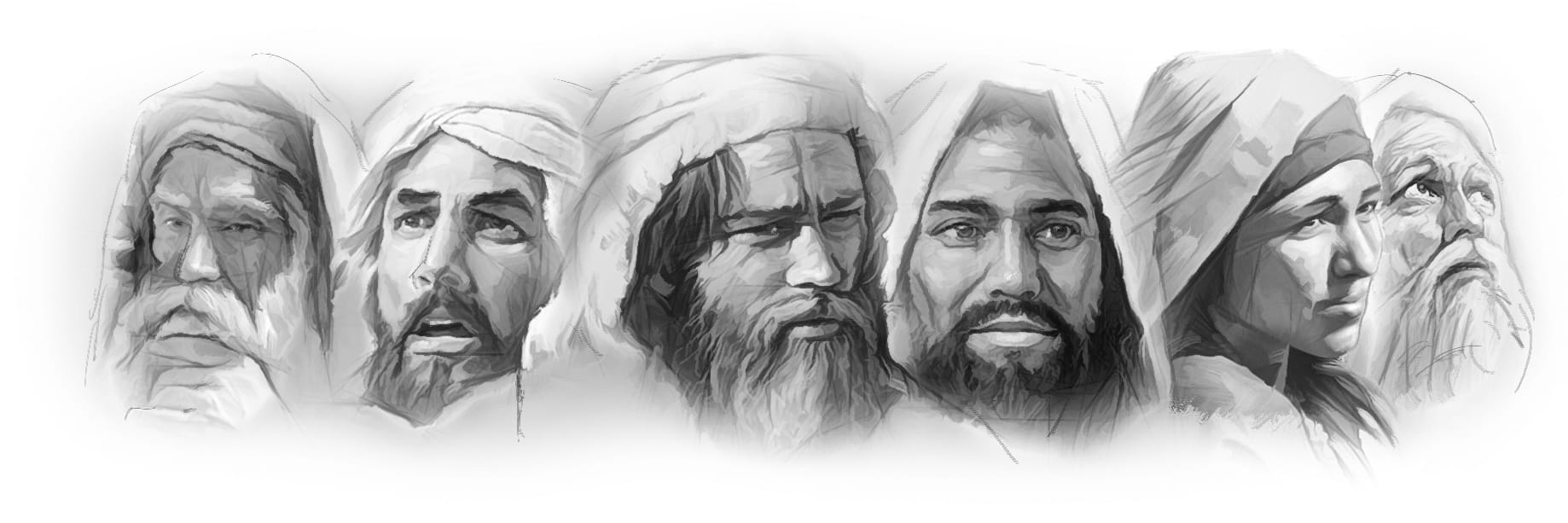
Image © Pacific Press
Read for This Week’s Study
James 5:17-18; 1 Kings 19:1-16; 1 Kings 22:1-14; Exodus 15:20; 2 Kings 22:11-14; Jeremiah 14:1-15.
Memory Text:
“Jehoshaphat stood and said, ‘Hear me, O Judah and you inhabitants of Jerusalem: Believe in the Lord your God, and you shall be established; believe His prophets, and you shall prosper’ ” (2 Chronicles 20:20, NKJV).
The Global Positioning System (GPS) helps travelers know where they are, where they are going, and even provides warnings against hazards. Spiritual travelers journeying to heaven also need guidance now and in the future from a heavenly “positioning system.” One way that God did this in times past was through the ministry of Old Testament prophets. In their narratives, counsels, prophecies, poetry, and songs, we discover a lot about the dozens of prophets who presented God’s messages to the people.
This week’s lesson explores Old Testament descriptions of prophets, descriptions that help us understand the gift of prophecy as it had been manifested by some of these servants of God.
As we will see, these were people like us, in that they were frail human beings subject to fear, anger, and discouragement. Life for them was not easy but filled with challenges and hardships, as it is for all of us.
What, then, can we learn from looking at a few of these specially called servants of God?

One of the intriguing questions I have thought about is; how did the Old Testament Prophets get their message out? If a prophet had a message how did the general populace find out about it? We know that some of them like Isaiah were associated with the kingly courts where they had scribes who wrote down important things, but the fact remains that there was no media as such, and few people could read. We face the probability that more people have heard the message of Hosea, for instance, today, than in his lifetime.
Part of the answer lies in the records of the lives of Samuel, Elijah, and Elisha. (1 Sam 19:18-24; 2 Kings 2:1-18; 2 Kings 4:38-44; 2 Kings 6:1-7) We find they operated groups, known as “sons of the prophets”. From the context it appears they were communities who were disciples of the prophets. They studied the Torah, worshipped and sang together, Groups of them are mentioned as prophesying together and I wonder if this was some sort of musical praise service. They also helped in delivering the messages of the prophets. Quite possibly we owe it to them that we have the stories of these prophets today.
In our modern world there is an invitation for us to become “sons and daughters of the prophets”, not is the sense of prophet followers, but as messengers to share the message of the Gospel. And to add to this theme there is a really great story about a swimming axe head that we like to quote. Perhaps the real miracle is that the “sons of the prophets” were working together on a community project.
As I grew up in the church few decades now, the prophecy teaching, sermons and seminars were indeed a common feature of the church’s heart and soul. Daniel and Revelation seminars were in great demand. Unfortunately, the calls for the prophecy teaching, sermons and seminars have strangely gone silent. What can we make of this indifference and lack of appetite for prophetic messages? Does the Bible itself have anything to say about this “cold” feeling towards prophecy?
The Bible is explicitly loud and clear that towards the nearness of Jesus’s return, spiritual apathy will reign high. It seems to be apparent that as time is speeding on, a kind of fatigue towards prophecy has usurped spiritual enthusiasm. Would it be that prophetic messages have become too familiar that they no longer move our hearts?
“They will say, “What happened to the promise that Jesus is coming again? From before the times of our ancestors, everything has remained the same since the world was first created.” (2 Peter 3:4, NLT).
This quarter’s lesson should remind us that prophecy is not simply about information about future events, but having a personal relationship with the One who controls the future. The greatest danger is not losing interest in prophecy, but getting disconnected with the One who is the centre of prophecy, Jesus Christ. We must welcome this quarter’s lesson with a sense of gratitude because God is giving us awaking jolt. This is the time to embrace sound biblical teaching before the end of the probation period. The time to cherish prophetic messages is now.
“Behold, the days come, saith the Lord GOD, that I will send a famine in the land, not a famine of bread, nor a thirst for water, but of hearing the words of the LORD.” (Amos 8:11, KJV)
That is the same thing in my conference here. This lesson should awaken us.
> What is even more scary, while some false prophecy teachers appeared in our churches, the church did not take opportunity to train “approved” teachers, but only shut up prophecy teaching and labelled it altogether as ……!
Let us handle this matter in a proper way.
“We have also a more sure word of prophecy; whereunto ye do well that ye take heed, as unto a light that shineth in a dark place, until the day dawn, and the day star arise in your hearts: ”
2 Peter 1:19 KJV
Thank you Jesus for your Word to guide us.
“O send out thy light and thy truth: let them lead me; let them bring me unto thy holy hill, and to thy tabernacles. ”
Psalms 43:3 KJV
When considering the core message of the old testament prophets, one could say that the Truth of Who our God is ought to still be at the forefront of our communication with others – we are made in our Creator’s image, accepting and trusting Him as our God leads to Righteousness.
I see that, ultimately, God’s message to the prophets aimed at establishing a personal relationship between Israel and Him. Prophets/messengers are His vessel to communicate this Truth. Too often, ‘lessons’ and ‘programs’ highlight less important aspects of our Christian faith, focusing more on teaching doctrines or special aspects defining a perceived uniqueness in the marketplace of Christian denominations.
After reading the lesson’s Bible references for this week, I find that all have one thing in common – the call to accept the true God first – to trust Him and His Word, and learn to apply His Word of Truth and Wisdom in any circumstances mankind finds itself. And this is their message since the Beginning.
Observing organized Christianity, could one conclude that it has joined the competitive ‘marketing-approach’ to promote denominational ideas instead of the simple Truth of God’s Word? Do we take for granted that everyone is familiar with the Creator of heaven and earth, rushing us to go straight to communicating our denominational ‘identity’? Don’t we need to accept Him first as our Creator before He can become our God?
Learning to accept Him unreservedly is difficult. Embracing Him in all experiences of daily life takes trust. Instead of sharing God on a personal level, I find denominational factions promoting their particular doctrine. Before talking about the ‘Three angels messages’, we might first want to find out how the person we talk with perceives the Christian God. Do they trust Him? Without trust, little can be done when sharing His Truth. The Prophets’ messages laid bare their personal relationship with God. Sharing our personal experiences with Him in our life helps show that our God is trustworthy.
To better understand what Maurice is talking about in his post today may I recommend clicking on the link below unless you have the book From Eternity Past. Chapter 58 entitled The Schools Of the Prophets, is a companion to the mention of the sons of the prophets mentioned in first and second Kings This gives some background.
https://egwwritings.org/read?panels=p2772.2761&index=0
Last week’s lesson talked about the calling of a Prophet; I dared to ask the question to a group of people of whom we study the lesson, when we tell people that Jesus is coming again are modern day Prophets? I’m asking the same question, are we prophet?
I don’t think so because if this were so all believers would be prophets. And in this case, prophets wouldn’t be needed.
There were many godly people in the Bible who did not have the gift of prophecy but encouraged people to heed the prophets that were among them.
Now if you asked, do we have a prophetic message or work? That I would be more inclined to agree with.
Ronald, the answer to your question is No. Simply telling others that Jesus is coming again does not make us prophets. A prophet is someone specifically and directly called by God and entrusted with a message from Him to deliver to the people for whom that message is intended.
All Christians are called to proclaim the gospel and share the biblical truth of Christ’s return (Matthew 28:19–20; Acts 1:8). In doing so, we are witnesses and messengers of truths already revealed in Scripture, but that is different from receiving the prophetic gift.
The prophets of the Bible did not become prophets merely because they spoke about God or repeated His promises. God specifically called them—Jeremiah, for example, was told, “I ordained thee a prophet unto the nations” (Jeremiah 1:5). Amos likewise explained, “The LORD took me… and the LORD said unto me, Go, prophesy unto my people Israel” (Amos 7:15).
So while every believer has a message to share, not every believer is a prophet. Paul makes that distinction clear when he asks, “Are all prophets?” (1 Corinthians 12:29). The implied answer is no. Prophecy is a particular calling and spiritual gift; witnessing is the calling of every Christian.
In the broad sense of the word, yes, we are messengers of the gospel of Christ. Does that mean we all are certified teachers, and preachers? No. 1 Peter 3:15. So, what is our excuse for not answering the call? None. When I am in a Sabbath School class where all are participating, that is just one example of prophets in the broad sense of the word. By all means do your conveying messages with gentleness and respect.
I’m thinking about the olden days of no media, no cell phones or telegram, than it tells me how important word of mouth is. One person telling another person what they heard or saw, and I want to believe that was how the gospel went out those days.
Prophets in the old testament did not have it easy, their love, obedient, dependent and trust in God was something I need to imitate.
Prophets were and are people like you and me: humans. This means that we can all be called to be prophets too. Aligning anyone’s life with God’s will can bring up talents such as foreseeing the future.