
Tuesday: Destroying the Message: Part 2

Daily Lesson for Tuesday 10th of November 2026
Human responses to the gift of prophecy can take many forms. In the case of Moses, the children of Israel fell into open rebellion against Moses and Aaron, driven by fear of the foes whom they would encounter when trying to enter the Promised Land. Years later, King Jehoiakim burned God’s message in hopes of destroying God’s prophetic Word.
These, however, were not isolated cases by any means. The history of ancient Israel and Judah was, with rare exceptions, one of rejecting the prophets.
Read 2 Chronicles 36:15-16. How did the nation of Judah respond to messages sent by God to them through His prophets? How did God eventually react to Judah’s behavior?
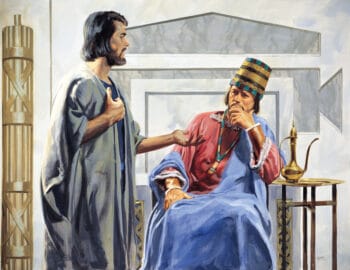
Image © Lifeway Collection at Goodsalt.com
Jeremiah’s prophetic ministry spanned the reigns of Josiah, Jehoahaz, Jehoiakim, Jehoiachin, and Zedekiah. The kingdom of Babylon, led by Nebuchadnezzar, was now at Judah’s door. The prophecies of Jeremiah were all but fulfilled when a 21-year-old named Zedekiah came to the throne (2 Chronicles 36:11). The Bible says, “He did evil in the sight of the Lord his God, and did not humble himself before Jeremiah the prophet, who spoke from the mouth of the Lord” (2 Chronicles 36:12, NKJV).
Notice how Jeremiah’s prophetic gift is described. He is seen as speaking out of the very mouth of God. Nevertheless, Zedekiah did not humble himself before the prophet. And yet Jeremiah, who was only a man, a sinner like all the rest of us, was a representative of the Lord, on whose behalf he spoke.
Jeremiah was one among many in that role. For centuries, God had been sending prophets to His people (Exodus 3:15, Psalms 105:26, Malachi 3:1, Isaiah 6:8, Jeremiah 25:4, Matthew 11:13, Luke 11:49, etc.), not willing “that any should perish but that all should come to repentance” (2 Peter 3:9, NKJV). This history of ancient Israel and Judah is the story of God’s ceaseless attempts to reach His backsliding people with His promises of salvation, if only they would repent.
But at this late hour in Judah’s history, the grace extended by God to Judah through the guidance and comfort of Jeremiah’s prophetic voice was met not with humility, faith, and repentance but with laughter, mockery, and derision.
|
They mocked the messengers of God, despised God’s words, and scoffed at His prophets. Surely, we today would never do anything like that—or would we? |

Negative reactions to prophetic messages come in various forms.
Not for me. We recognised a prophetic message but dismiss it as not for me. We have in mind that it would be a good message for the conservatives or liberals in the church but I have a close relationship with the lord and it is not for me.
I can’t hear it because it is too noisy. I went to a noisy family party the other day and people spoke to me, but I missed what they were saying because of the noise. God has a still small prophetic voice sometimes and we need a quiet space to hear it.
The message is too complicated or boring. We make a judgement about the quality of delivery. And to be fair, when we are tasked with passing on a prophetic message we potentially make it too complicated and boring.
Procrastination. We put it off because we have another agenda. I know how this works. Carmel tells me to do something, but I am writing a comment on SSNET, so I tell her I will do it later. But when later comes, I forget that she has told me to do something. Then I am in domestic strife. What prophetic messages do we put off for a more convenient time?
Paul has a message for us about this:
The greatest danger to God’s messages today is not those who destroy the Word, as King Jehoiakim did (Jeremiah 36:20-26). Those who profess to defend the Word of God but live contrary to it do more harm than those who physically destroy the Bibles. Those who claim to be followers of God’s truth but give negative witness are more destructive than those who openly denounce it.
Those who claim to represent God’s Word do more damage to its credibility through their conduct than those who openly oppose or seek to destroy it. It is possible to defend biblical teachings verbally while undermining them practically. Someone who openly rejects Christianity is relatively easy to identify as an opponent. But someone who claims to represent Christ while behaving contrary to His character can create confusion about what Christ actually stands for. The Christian witness is not simply about defending the Bible against attack; it is about making its truth visible through godly living.
Jesus sternly condemned religious appearances. “Woe unto you, scribes and Pharisees, hypocrites! for ye make clean the outside of the cup and of the platter, but within they are full of extortion and excess” (Matthew 23:25). God’s name is blasphemed because we who profess to be His followers misrepresent Him. We bring irreparable damage to the Word of God by our actions and behaviours.
“Such people claim they know God, but they deny him by the way they live. They are detestable and disobedient, worthless for doing anything good” (Titus 1:16, NLT).
We who call the name of our Lord Jesus Christ are required to adorn His character in every aspect of our lives (Titus 2:10).
“Let your light so shine before men, that they may see your good works, and glorify your Father which is in heaven.” (Matthew 5:16).
Why did the Israelites push the advice of Gods prophets back in their face?
The people rejected the prophet, because it was not pleasing to their ears and there were available false prophets that were pleasing to their ears. These people of Gods were mocking God not the prophets. God gave them a break until the time for mercy ran out. That is what can happen to us if we don’t do justly, love mercy, and walk humbly with our Lord and Saviour. Micah 6:8. Yes some 2700 year later we can have the same problem as Israelites, if we don’t let Christ reconcile us to Himself. 2 Corinthians 5:18-19, 20.
The reality that we must realise as it confronts us today is that in different generations sttempts to destroy the message have failed may, governments have risen and fallen, cultures have evolved, and human opinions have changed, but God’s Word remains the same. The message of repentance, obedience, judgment, salvation and faithfulness has not lost its authority. Jesus declared, “Heaven and earth shall pass away, but my words shall not pass away” (Matthew 24:35). Isaiah 40:8 reminds us that the grass withers and the flowers fade, but the Word of our God stands forever. Therefore, let us never be discouraged when the truth is rejected or its messengers opposed. Our responsibility is to proclaim God’s message faithfully, whether people accept it or reject it. 𝗬𝗼𝘂 𝗰𝗮𝗻 𝗯𝘂𝗿𝗻 𝘁𝗵𝗲 𝗽𝗮𝗽𝗲𝗿, 𝘀𝗶𝗹𝗲𝗻𝗰𝗲 𝘁𝗵𝗲 𝗺𝗲𝘀𝘀𝗲𝗻𝗴𝗲𝗿 𝗮𝗻𝗱 𝗿𝗲𝗷𝗲𝗰𝘁 𝘁𝗵𝗲 𝘄𝗮𝗿𝗻𝗶𝗻𝗴, 𝗯𝘂𝘁 𝘆𝗼𝘂 𝗰𝗮𝗻𝗻𝗼𝘁 𝗯𝘂𝗿𝗻 𝘁𝗵𝗲 𝗪𝗼𝗿𝗱 𝗼𝗳 𝗚𝗼𝗱!
Jeremiah, in obedience to God, wrote His message on a scroll and delivered it to King Jehoiakim. However, when the king heard the message, he became angry, cut the scroll into pieces and threw it into the fire (Jeremiah 36:21–23). He thought that by destroying the written message, he could silence God’s voice and escape its warnings. His actions were like removing a smoke alarm in a burning building; removing the alarm does not stop the fire from advancing. The king could destroy the scroll, but he could not destroy the message. 𝗚𝗼𝗱’𝘀 𝘁𝗿𝘂𝘁𝗵 𝗱𝗼𝗲𝘀 𝗻𝗼𝘁 𝗰𝗵𝗮𝗻𝗴𝗲 𝘀𝗶𝗺𝗽𝗹𝘆 𝗯𝗲𝗰𝗮𝘂𝘀𝗲 𝗵𝘂𝗺𝗮𝗻𝗶𝘁𝘆 𝗿𝗲𝗳𝘂𝘀𝗲𝘀 𝗹𝗶𝘀𝘁𝗲𝗻 𝗼𝗿 𝗶𝗴𝗻𝗼𝗿𝗲𝘀 𝘁𝗵𝗲 𝗺𝗲𝘀𝘀𝗮𝗴𝗲.
𝗧𝗵𝗲 𝗸𝗶𝗻𝗴’𝘀 𝗮𝘁𝘁𝗲𝗺𝗽𝘁 𝘄𝗮𝘀 𝗻𝗼𝘁 𝘁𝗵𝗲 𝗳𝗶𝗿𝘀𝘁 𝗮𝘁𝘁𝗲𝗺𝗽𝘁 𝘁𝗼 𝗿𝗲𝘀𝗶𝘀𝘁 𝗼𝗿 𝗱𝗲𝘀𝘁𝗿𝗼𝘆 𝗚𝗼𝗱’𝘀 𝗺𝗲𝘀𝘀𝗮𝗴𝗲, 𝗮𝗻𝗱 𝗶𝘁 𝘄𝗼𝘂𝗹𝗱 𝗻𝗼𝘁 𝗯𝗲 𝘁𝗵𝗲 𝗹𝗮𝘀𝘁. Throughout history, God’s messengers have been rejected, persecuted and threatened, yet His message has remained unchanged. When Jehoiakim burned the scroll, God commanded Jeremiah to write another one containing the same words, with additional messages (Jeremiah 36:27–32). Pharaoh resisted God’s instructions through Moses (Exodus 5:1–2), Amaziah rejected Amos and told him to stop prophesying (Amos 7:12–13), and religious leaders opposed the apostles for preaching about Jesus (Acts 4:18–20). Yet God’s purposes continued. 𝗣𝗲𝗼𝗽𝗹𝗲 𝗺𝗮𝘆 𝗱𝗲𝘀𝘁𝗿𝗼𝘆 𝘁𝗵𝗲 𝗶𝗻𝘀𝘁𝗿𝘂𝗺𝗲𝗻𝘁𝘀 𝗰𝗮𝗿𝗿𝘆𝗶𝗻𝗴 𝘁𝗵𝗲 𝗺𝗲𝘀𝘀𝗮𝗴𝗲, 𝗯𝘂𝘁 𝘁𝗵𝗲𝘆 𝗰𝗮𝗻𝗻𝗼𝘁 𝗱𝗲𝘀𝘁𝗿𝗼𝘆 𝘁𝗵𝗲 𝘁𝗿𝘂𝘁𝗵 𝗰𝗼𝗻𝘁𝗮𝗶𝗻𝗲𝗱 𝗶𝗻 𝘁𝗵𝗲 𝗺𝗲𝘀𝘀𝗮𝗴𝗲.