
2: The Message of the Cross-Sabbath School Lesson Teaching Plan

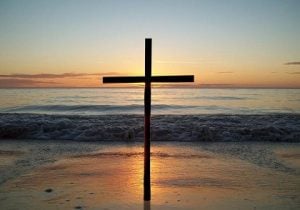
Photograph by William Earnhardt
Prepared by William Earnhardt for Sabbath School class on July 11.
Key Text: “For the message of the cross is foolishness to those who are perishing, but to us who are being saved it is the power of God” (1 Corinthians 1:18, NIV).
Read in Class: 1 Corinthians 1:17-27.
Study: What was the main focus and goal of Paul’s ministry? How does this passage help us gauge the success of our ministries?
Apply: What role does the cross play in your everyday decision-making? How often and when do you think about the cross throughout the day?
Share: While sharing Jesus with others, in what ways can elaborate discourses obscure the message of the Cross? Why did the proclamation of Jesus Christ and Him crucified produce more fruit in Corinth than logic, science, and philosophy did in Athens? Might there, however, be times that logic, philosophy, and science could be helpful in proclaiming the gospel?
Read in Class: Colossians 1:20 and 1 Peter 2:24.
Study: What did Jesus accomplish for us on the cross?
Apply: How has Jesus’ sacrifice on the cross helped you live for what is right, and how have His stripes healed you?
Share: Your friend asks if unfallen angels needed to be reconciled by the cross? If so, why? What do you tell your friend? For a hint, see Why Did Heaven Need to be Reconciled?
Read in Class: Acts 13:26,38, 47.
Study: What does this passage teach us about the meaning of the Cross?
Apply: A crucified Messiah was something completely unexpected by the Jews and the Greeks. What does this tell us about the fact that God does not always act the way we expect? Why is this an important concept to grasp, especially when things don’t go as we have expected?
Share: Your friend asks you if Gentiles and unbelievers have already benefited from the cross, and if so, how? What do you tell your friend? For a hint, see He Grew the Tree That He Knew Would be Used to Make the Old Rugged Cross.
Read in Class: 1 Corinthians 1:24-29.
Study: Notice the words there, such as “foolishness,” “weak,” “power,” and “wise.” What point is he making?
Apply: Dwell on the words “that not many wise according to the flesh, not many mighty, not many noble, are called” (1 Cor. 1:26, NKJV). What message is there for us?
Share: Your friend asks how the foolishness of God is wiser than men. What do you tell your friend?
Mission: Can you find someone to present the Gospel to this week?
